

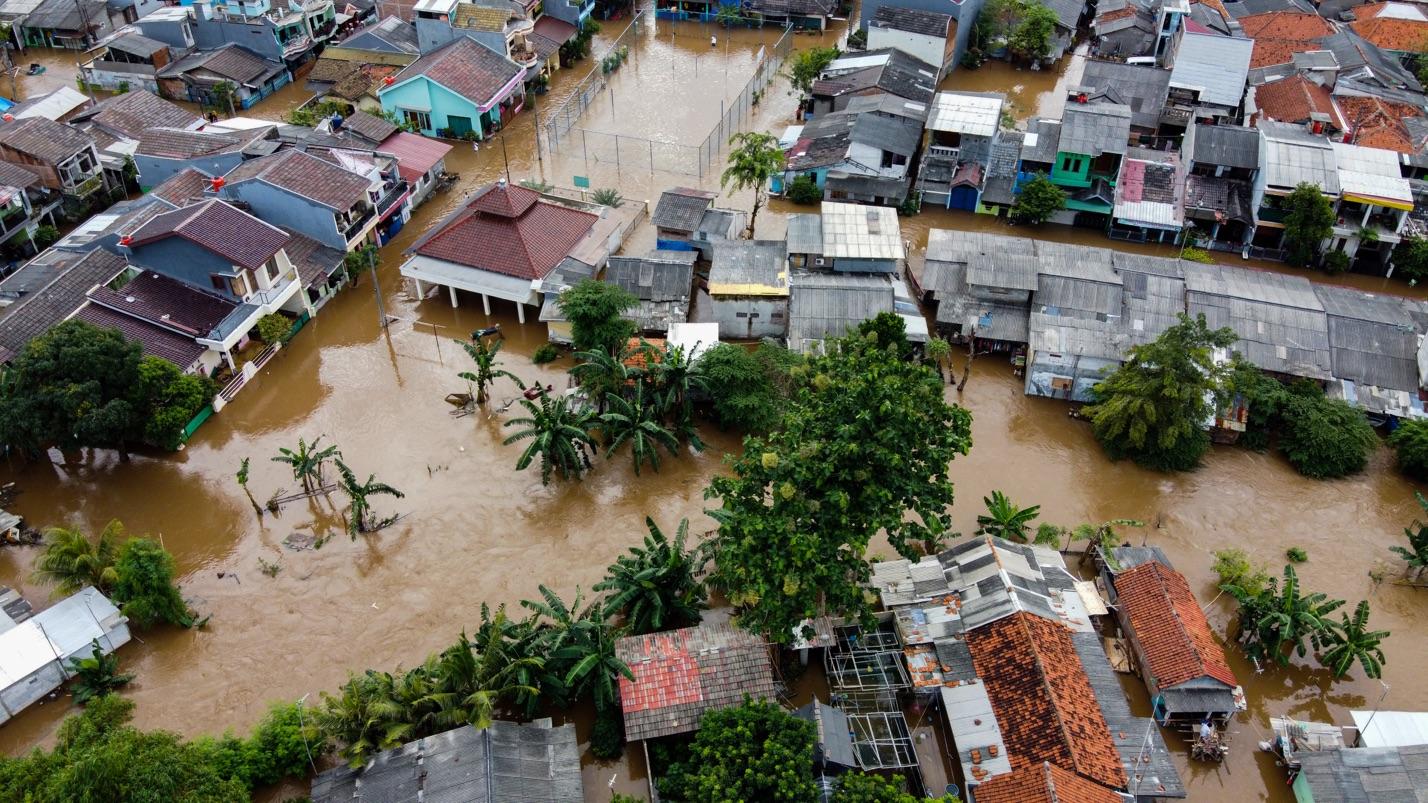
Natural-disaster claims are defined by scale and by overlapping causes — a single catastrophe can trigger wind, water, fire, and earth coverages at once, across a whole region, while carriers process claims at volume.
Keeping the full loss together is the central challenge.
Your Claim is Our Priority.
Remove natural disaster Claim Anxiety with UPA
By choosing our non-profit organization, you can trust that your claim won't be minimized, ensuring you receive the compensation you rightfully deserve.
What This Loss Involves
A natural disaster rarely damages a building through one mechanism. A major storm brings wind and water together; a wildfire brings flames, smoke, and the water of suppression; a flood brings saturation and contamination; and each can set off secondary damage that spreads long after the event. The losses are layered and connected, and their full extent is frequently hidden in cavities, systems, and structure beneath the obvious destruction.
What UPA Documents
We document a disaster as one connected, full-extent loss. That means scoping every mechanism the event triggered — wind, water, fire, earth, and their secondary effects — mapping hidden and structural damage beneath the visible destruction, allocating overlapping causes to the coverages that apply, and building the structure and contents documentation a large loss requires — so the claim reflects the whole catastrophe rather than a rushed first pass.
Coverage That Shapes the Claim
Disaster claims turn on catastrophe and named-peril deductibles, on the coverage splits between wind, flood, fire, and earth movement — often across more than one policy — on whether the policy pays actual cash value or replacement cost, and on additional living expenses, business interruption, and ordinance-or-law provisions during a long recovery. How overlapping causes are allocated frequently shapes the entire outcome.
Why Choose Us?
Disaster claims are underpaid by volume and fragmentation. After a widespread catastrophe, carriers deploy large numbers of adjusters under time pressure, producing fast estimates that miss hidden and secondary damage, and they separate overlapping causes to route damage toward the least generous coverage or an exclusion. Low first offers, large catastrophe deductibles, and slow supplements compound the gap between the initial estimate and the true cost of rebuilding.
Contact Our Non-Profit Public Adjusting Firm
If your natural disaster claim is being delayed, underpaid, or denied, the difference is almost always in the documentation.
UPA independently inspects and documents the loss and re-presents the claim to pursue the settlement your policy owes. Contact us today to schedule a consultation.