

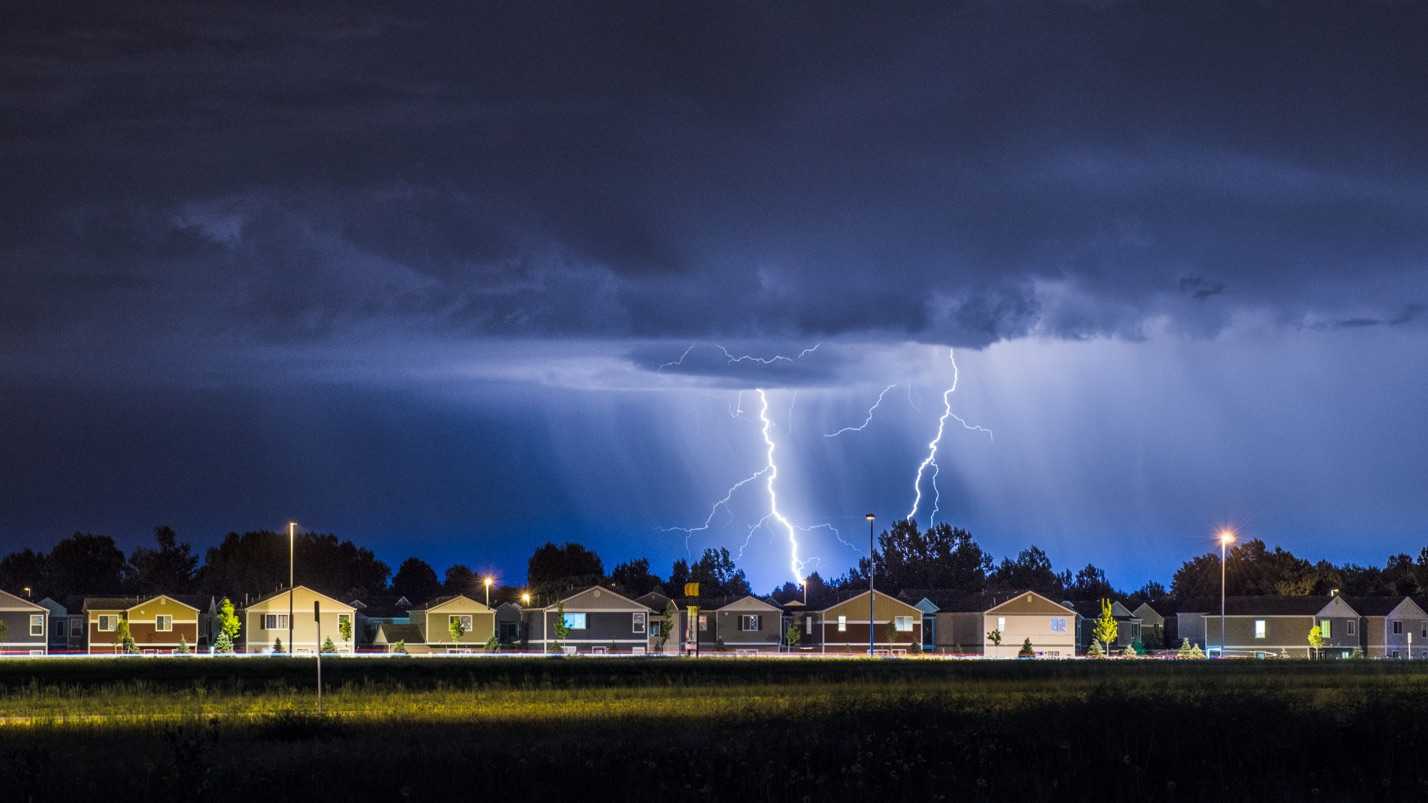
A storm just hit your home. The roof is leaking, there may be broken windows, and you are not sure what to do first. Take a breath. You do not have to figure everything out today.
But the first 48 hours do matter. What you do — and what you avoid doing — in these two days shapes your safety, your home, and your insurance claim. Here is a plain checklist, in order.
Hour one: people first, property second
Before you think about your roof or your insurance company, make sure everyone is safe. Storm damage creates dangers that are easy to miss when you are upset and tired.
- Stay away from downed power lines — always assume they are live.
- If you smell gas, leave the house and call your gas company from outside.
- Do not walk on a damaged roof or under sagging ceilings.
- If the home is not safe to stay in, find somewhere else to sleep tonight. Keep every receipt — hotel, meals, gas. Your policy may pay you back for these costs.
Document everything before you touch anything
Once everyone is safe, take out your phone. Photograph and video everything — before any cleanup starts. This is the single most valuable thing you can do for your claim.
Walk every room, even ones that look fine. Shoot the outside from every side of the house. Get close-ups of damage and wide shots that show where it is. Open closets and attics. Film water where it stands.
You cannot take too many pictures. Damage that gets cleaned up, dried out, or hauled away before it is photographed becomes damage the insurance company can question later.
Stop the damage from getting worse
Most policies require you to take reasonable steps to protect the property from further damage. Insurers call this "mitigation." It means things like tarping a broken roof, boarding a broken window, or shutting off water to a burst pipe.
Two important points. First, keep receipts for everything you spend — tarps, plywood, a wet vacuum, an emergency roofer. These costs are usually part of your claim. Second, mitigation means protecting the property, not repairing it. Do not start permanent repairs yet. The insurance company has a right to inspect the damage first, and repairs made before inspection are easy for them to dispute.
Report the claim — but keep it simple
Call your insurance company or file online, and write down your claim number. When you report, stick to the basic facts: the date of the storm, the kind of damage you can see, and whether the home is livable.
Do not guess at things you do not know yet. If you are asked what caused the damage or how bad it is, it is fine to say "I don't know yet — the inspection will show that." Guesses get written down, and a wrong guess can follow your claim around.
You do not have to give a recorded statement on the spot, and you should not agree to one while you are exhausted and stressed. You may also be offered a fast payment early on. Be careful: a quick check based on a quick look rarely reflects the full damage, and the full damage is not knowable in the first 48 hours.
Watch out for the people who show up after storms
After a big storm, door-knockers follow. Some are honest local contractors. Some are not. A few rules protect you from the bad ones.
- Do not sign anything on your doorstep — especially papers that assign your insurance benefits to a contractor.
- Be wary of anyone who demands a big deposit before doing any work.
- Get more than one estimate before committing to major repairs.
- Check that any contractor is licensed and insured before they touch your home.
Start a claim file and keep it
Get a folder — paper or on your phone — and put everything in it: your photos and videos, every receipt, your claim number, and notes from every call with the insurance company. Write down who you spoke to, the date, and what was said.
Claims can take months. The homeowner with a complete file is in a far stronger position than the one relying on memory. This file is also exactly what a public adjuster will use to build your claim if the insurance company underpays or denies it.
After the first 48 hours: what the next two weeks look like
Once the emergency passes, the claim process starts in earnest. Knowing the shape of it lowers the stress.
The insurance company will schedule an inspection — be there for it if you can, walk the adjuster through everything, and do not let a quick walk-through pass for a real inspection. Point out every area of damage you have found, including the subtle ones: stains that were not there before, doors that no longer close right, a musty smell in one room.
Keep watching for new damage, because storm damage keeps revealing itself. Water finds its way down inside walls for days. Photograph anything new and add it to your file — a claim can be supplemented when new damage is documented.
And keep living your life in writing: every conversation with the insurer noted, every expense receipted, every promise made by anyone recorded with a date. Two weeks of good notes can be worth more to your claim than any single photograph.
When to bring in help
You do not have to handle a storm claim alone. The adjuster your insurance company sends works for the insurer — their job is to assess your loss on the company's behalf. A public adjuster works for you, the policyholder.
UPA is a 501(c)(3) non-profit public adjusting firm. We inspect and document the damage independently, apply the coverages in your policy, and negotiate with the insurance company to pursue the settlement your policy owes. And we never take a penny out of a property or business owner's pocket — our fee is covered by the overhead and profit built into the insurance settlement itself.
The best time to call is early — before the claim goes sideways. But if you are reading this weeks after the storm with a low offer or a denial in hand, it is not too late. Call 1-855-944-3473.
Keep Reading
Claim Denied or Underpaid? UPA Can Help
UPA is a 501(c)(3) non-profit public adjusting firm. If a loss like this one left you with a denied claim or a settlement that didn't cover the damage, we document the loss and fight for the full amount your policy owes — at no cost out of pocket.