
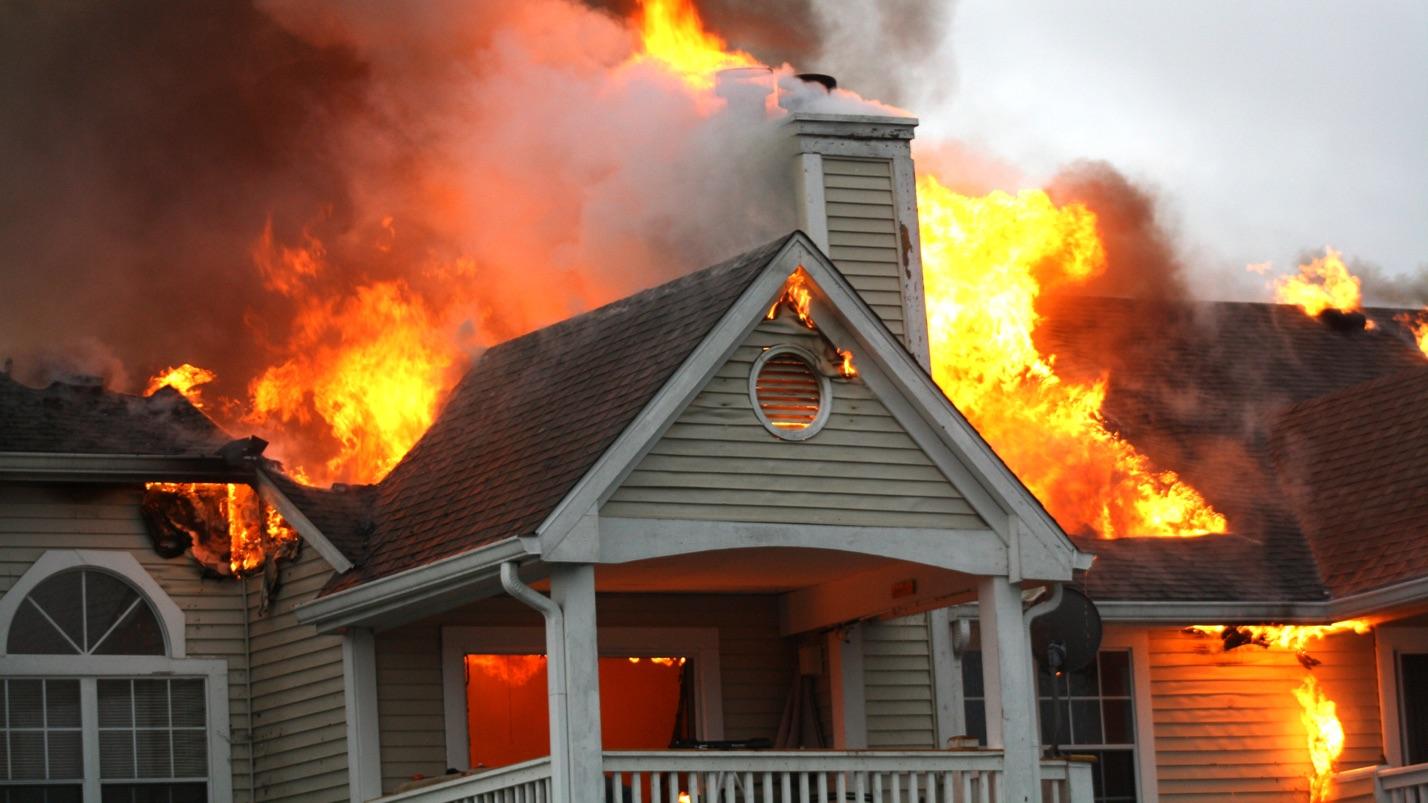
A fire loss is rarely just the part of the building that burned.
Smoke, soot, heat, and the water used to extinguish the fire travel far beyond the flames, and two fires of the same size can settle very differently depending on how much of that secondary damage is documented rather than dismissed.
Your Claim is Our Priority.
Remove fire and smoke Claim Anxiety with UPA
By choosing our non-profit organization, you can trust that your claim won't be minimized, ensuring you receive the compensation you rightfully deserve.
How Fire and Smoke Damage Presents
Fire damage layers several distinct mechanisms on top of the obvious char. Smoke and soot migrate through HVAC systems, wall cavities, and closed rooms, coating surfaces and penetrating porous contents far from the burn, and heat can warp, blister, and off-gas materials that never caught fire. Different fuels leave different residues — a protein or synthetic fire deposits films and odors that ordinary cleaning cannot lift — and the water and chemicals used to fight the fire create their own moisture and corrosion damage in the hours and days afterward.
What UPA Documents
We treat a fire as a whole-structure event, not a burned room. That means mapping smoke and soot migration through cavities and mechanical systems, documenting heat and off-gassing damage to materials that did not ignite, testing and classifying residue so cleaning versus sealing versus removal is scoped correctly, building the detailed contents inventory a fire demands, and capturing the suppression water and corrosion damage that follow. The goal is a scope that reflects the full reach of the loss.
Coverage That Shapes the Claim
Fire is a covered peril on most property policies, but the disputes live in the details — whether smoke and odor remediation is included, how contents are valued and whether the policy pays actual cash value or replacement cost, whether additional living expenses or business interruption apply during restoration, and how ordinance-or-law provisions affect rebuilding to current code. These provisions frequently decide more of the settlement than the fire damage itself.
Why Choose Us?
Fire is where carriers most aggressively separate the "real" damage from everything else. Common tactics include limiting the loss to visibly charred areas while calling smoke and soot cosmetic or cleanable, denying odor and residue that require sealing or removal, treating salvageable-looking contents as unaffected despite soot penetration, and excluding the corrosion and water damage that follow suppression. The result is a scope built around the flames rather than around where the damage actually reached.
Contact Our Non-Profit Public Adjusting Firm
If your fire and smoke claim is being delayed, underpaid, or denied, the difference is almost always in the documentation.
UPA independently inspects and documents the loss and re-presents the claim to pursue the settlement your policy owes. Contact us today to schedule a consultation.
Free guides for property owners after a fire
Ten plain-English resources covering the first days, the evidence to preserve, contents inventories, living expenses, estimates, depreciation and the claim process. Free, with nothing to sign up for.